
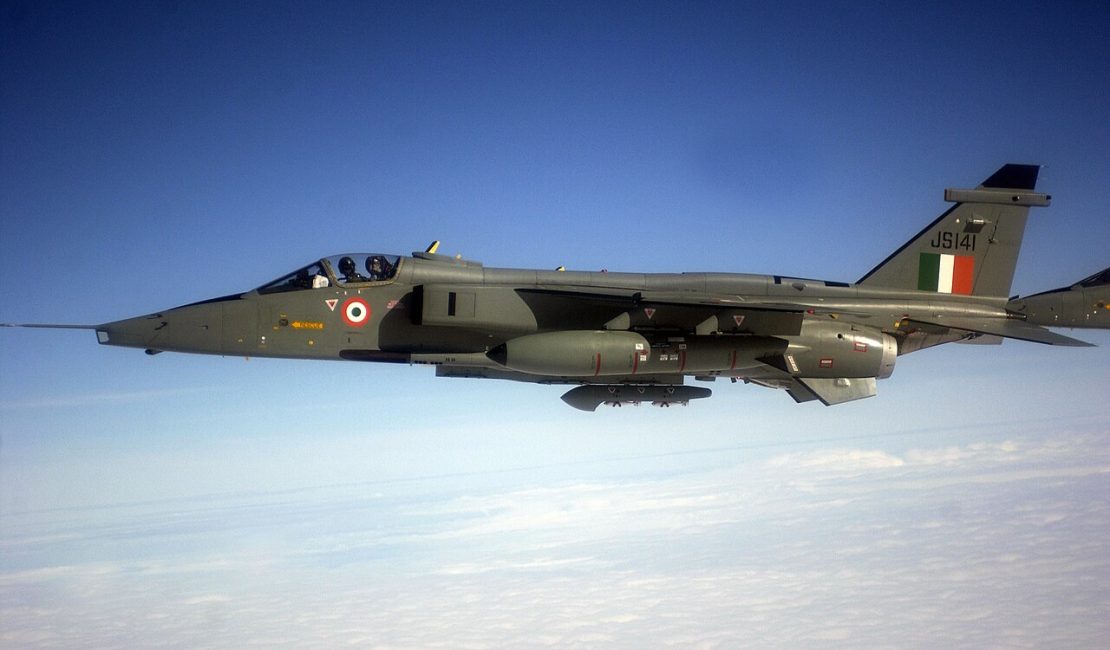
In yet another setback for the Indian Air Force (IAF), a Jaguar twin-seater aircraft crashed near Jamnagar Airfield in Gujarat on April 2 during a routine night training sortie. The crash, which occurred at around 9:30 pm IST, resulted in the death of one pilot, while the other sustained injuries and is currently receiving treatment.
The IAF confirmed in an official statement that the aircraft suffered a technical malfunction, forcing the pilots to eject. “An IAF Jaguar two-seater aircraft airborne from Jamnagar Airfield crashed during a night mission. The pilots faced a technical malfunction and initiated ejection, avoiding harm to the airfield and the local population. Unfortunately, one pilot succumbed to his injuries, while the other is receiving medical treatment at a hospital in Jamnagar,” the statement read. A court of inquiry has been set up to investigate the incident.
This is the second IAF Jaguar crash in less than a month, following a similar accident on March 7 near Ambala, Haryana. The frequent crashes involving aging fighter jets are raising concerns over India’s ability to maintain a strong air defense amid a growing gap in squadron strength.
Fighter Jet Crash in Gujarat: Flames, Wreckage, and a Pilot’s Sacrifice
Aging Jaguars and India’s Fighter Jet Shortfall
The IAF currently operates 31 fighter squadrons against the sanctioned requirement of 42. With China and Pakistan rapidly modernizing their air forces, India’s reliance on outdated platforms like the SEPECAT Jaguar has become a growing challenge.
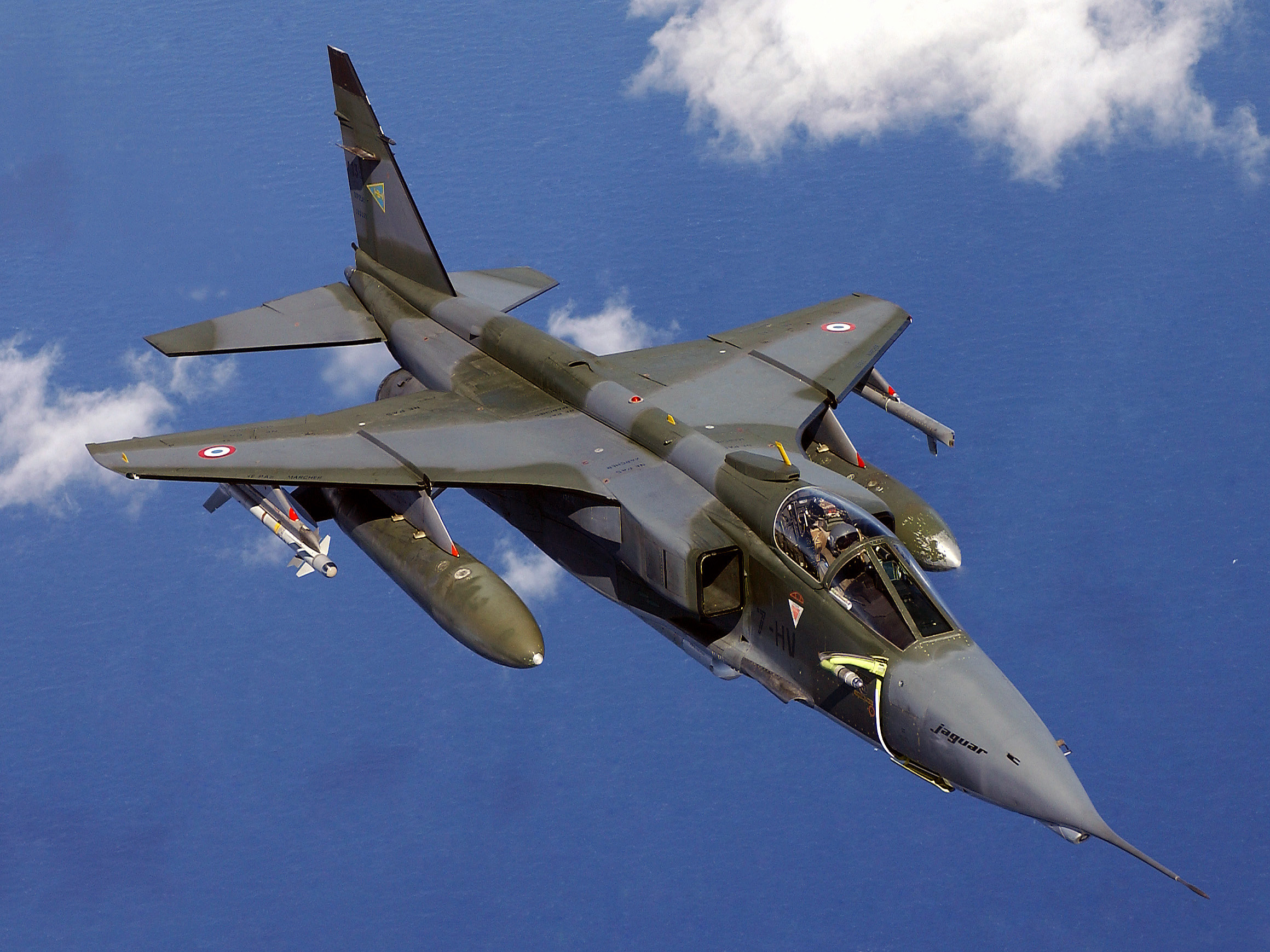
The SEPECAT Jaguar, jointly developed by Britain and France, first flew in 1968 and was inducted into the IAF in the late 1970s. While it has served as a formidable ground-attack and nuclear strike aircraft for over four decades, the fleet has faced increasing maintenance issues. Both Britain and France retired their Jaguars in the early 2000s, replacing them with advanced platforms like the Eurofighter Typhoon and Dassault Rafale, respectively.
In contrast, India has struggled to replace the Jaguars due to delays in indigenous fighter jet production. The Tejas Mk-1A and the Advanced Medium Combat Aircraft (AMCA) program are intended to modernize the IAF, but these projects have faced persistent delays. As a result, the IAF has been forced to continue flying Jaguars despite their diminishing operational capabilities.
Can the Jaguar Still Hold Its Own?
Despite its age, the Jaguar remains an important asset for the IAF, particularly in the role of low-level strike missions. The aircraft is equipped for nuclear and conventional bombing roles, and its ability to fly at low altitudes helps evade enemy radar detection.
In the 2019 Balakot airstrikes, Jaguars played a crucial role as decoys, drawing Pakistani F-16s away from the actual target, allowing Mirage-2000s to strike the terrorist camps. Over the years, the IAF has upgraded the Jaguar’s avionics and targeting systems under the DARIN (Display Attack Ranging Inertial Navigation) program. However, the lack of new engines has severely hampered its performance.
The DARIN-3 upgrade program initially planned to replace the aircraft’s aging Rolls-Royce Adour 811 engines with Honeywell F-125IN engines, but the high costs led to the project’s cancellation. As a result, the aircraft is struggling with reduced thrust, further limiting its combat potential.
What Lies Ahead for the IAF?
The IAF plans to begin phasing out the Jaguar fleet starting in 2027, with full retirement expected by 2035. However, by that time, both the UK and France will be inducting their sixth-generation fighter jets under the Global Combat Air Program (GCAP) and the Future Combat Air System (FCAS), respectively.
Meanwhile, India’s first fifth-generation fighter, the AMCA, is not expected to enter production until the mid-2030s, potentially putting the country a generation behind its global counterparts. Until then, the IAF must balance maintaining its aging fleet while accelerating its modernization efforts to stay competitive in the evolving air combat landscape.
The recent IAF Jaguar crash serves as a stark reminder of India’s pressing need to replace its aging aircraft. While the Jaguar has served the nation with distinction, its time is running out. India must expedite its fighter jet procurement and development programs to ensure its air force remains capable of defending the nation’s airspace against modern threats.
2 Terrorists Killed, 5 Security Personnel Injured in Kathua Encounter
Leave feedback about this