

Holi’s cultural tradition traces a vibrant journey from the Mahabharata era to the Mughal courts, evolving as a symbol of spring’s arrival, good triumphing over evil, and communal harmony. Rooted in ancient texts and inscriptions, this festival reflects India’s layered history of religious and social integration.

Ancient Origins
Holi’s roots extend to Vedic times, referenced as ‘Holaka’ in Jaimini’s Purva Mimamsa Sutra and Kathak Grihya Sutra. A 300 BCE inscription at Ramgarh in Vindhya mentions ‘Holikotsava,’ confirming its antiquity through archaeological evidence. Texts like Bhavishyottara Purana and Kamasutra describe springtime color play on Phalguna Purnima.
Mahabharata References
The Mahabharata indirectly alludes to Holi in dialogues between Yudhishthira and Krishna, drawing from tales of King Raghu’s era where boys defeated the demoness Dundha via Holika Dahan pranks. This narrative, echoed in Bhavishya Purana, ties Holi to community revelry and seasonal renewal.

Puranic Tales
The Prahlada-Holika story from Vishnu Purana and Bhagavata Purana symbolizes devotion’s victory, with Holika perishing in fire. Radha-Krishna leelas in Braj inspire playful color-throwing, blending devotion with joy across regions.
Mughal Court Celebrations
Holi’s cultural tradition flourished in Mughal courts as a syncretic festival. Abul Fazl’s Ain-i-Akbari notes Akbar celebrating with Jodhabai, organizing court festivities. Jahangir’s memoirs and Shah Jahan Nama describe Nur Jahan and Shah Jahan’s participation, dubbing it ‘Eid-e-Gulabi.’ Aurangzeb later banned it, but earlier rulers fostered cultural exchange.

Literary Legacy
Kalidasa’s Ritusamhara glorifies Vasanta Utsava, while Surdas composed 78 Holi padas in Hindi bhakti poetry. Urdu poets like Nazir Akbarabadi, Amir Khusrau, and Bahadur Shah Zafar penned verses, showcasing Holi’s cultural tradition in inclusive literature.

Modern Evolution
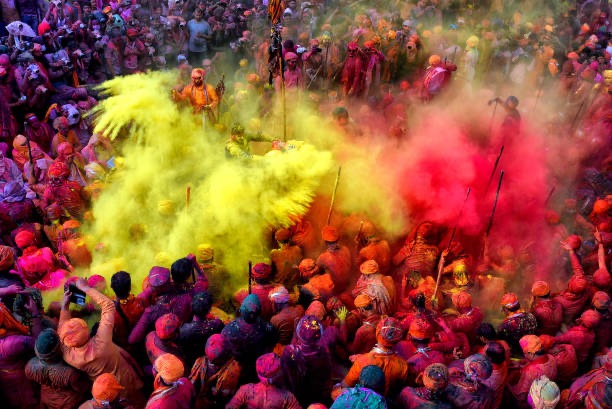
Today, Holi’s cultural tradition varies regionally—from Barsana’s Lathmar Holi to Punjab’s Hola Mohalla—while eco-awareness revives natural colors, echoing ancient practices.
Why the US–Israel Strategic Partnership Shapes Today’s Geopolitics
Leave feedback about this