
Explained: India’s inflation trends and their impact on the Economy in 2026
A slow climb that is starting to show
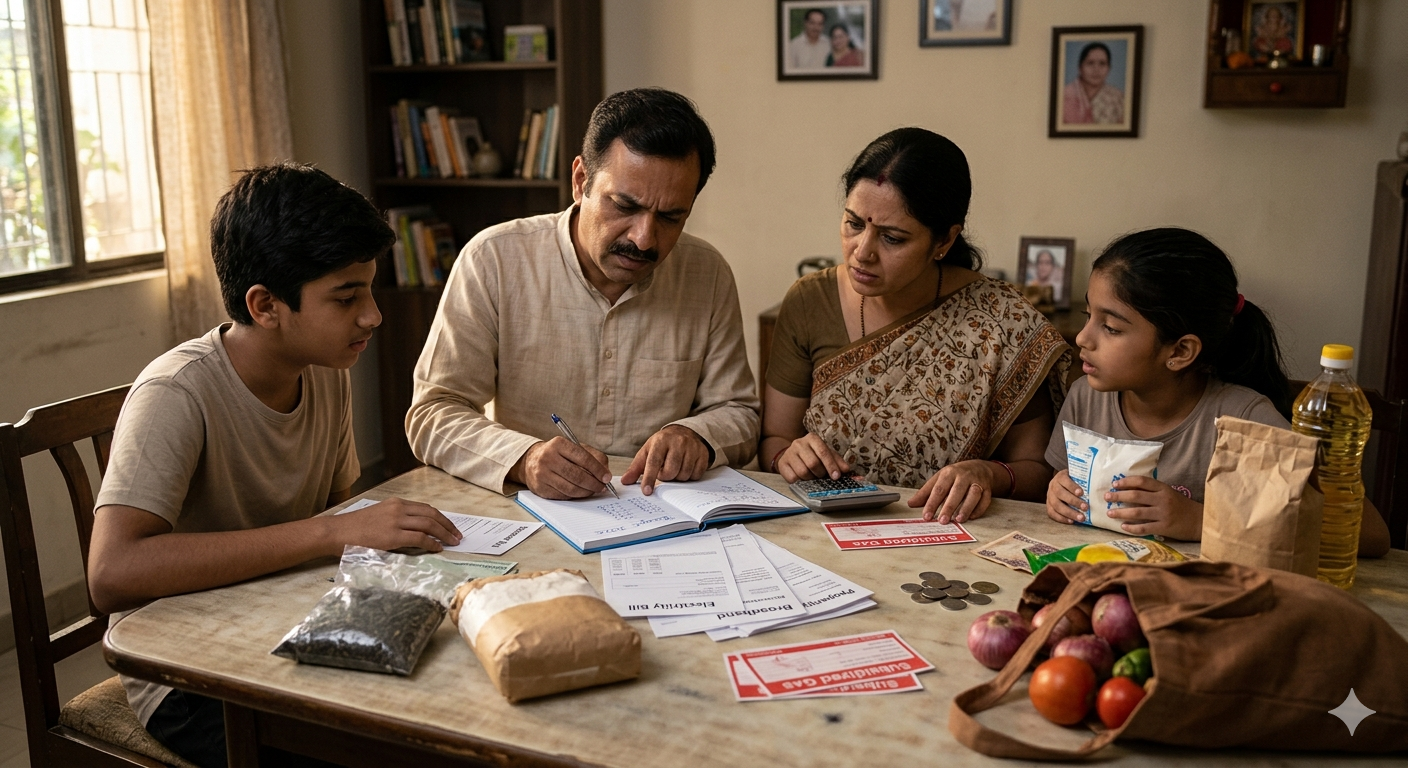
After months of relatively subdued price rise, inflation in India has begun to edge up again. Recent data shows retail inflation rising to around 3.4% in March 2026, up from 3.21% the previous month, driven largely by food and fuel pressures. What looks like a modest increase on paper is beginning to reflect in everyday expenses—from kitchen staples to transport.
What has happened? — A mild but steady uptick
India’s inflation trajectory over the past year has been unusual. After touching very low levels in late 2025, inflation is now normalising. The Consumer Price Index (CPI), which tracks retail inflation, has steadily risen from below 1% levels to above 3% in early 2026.
The primary drivers:
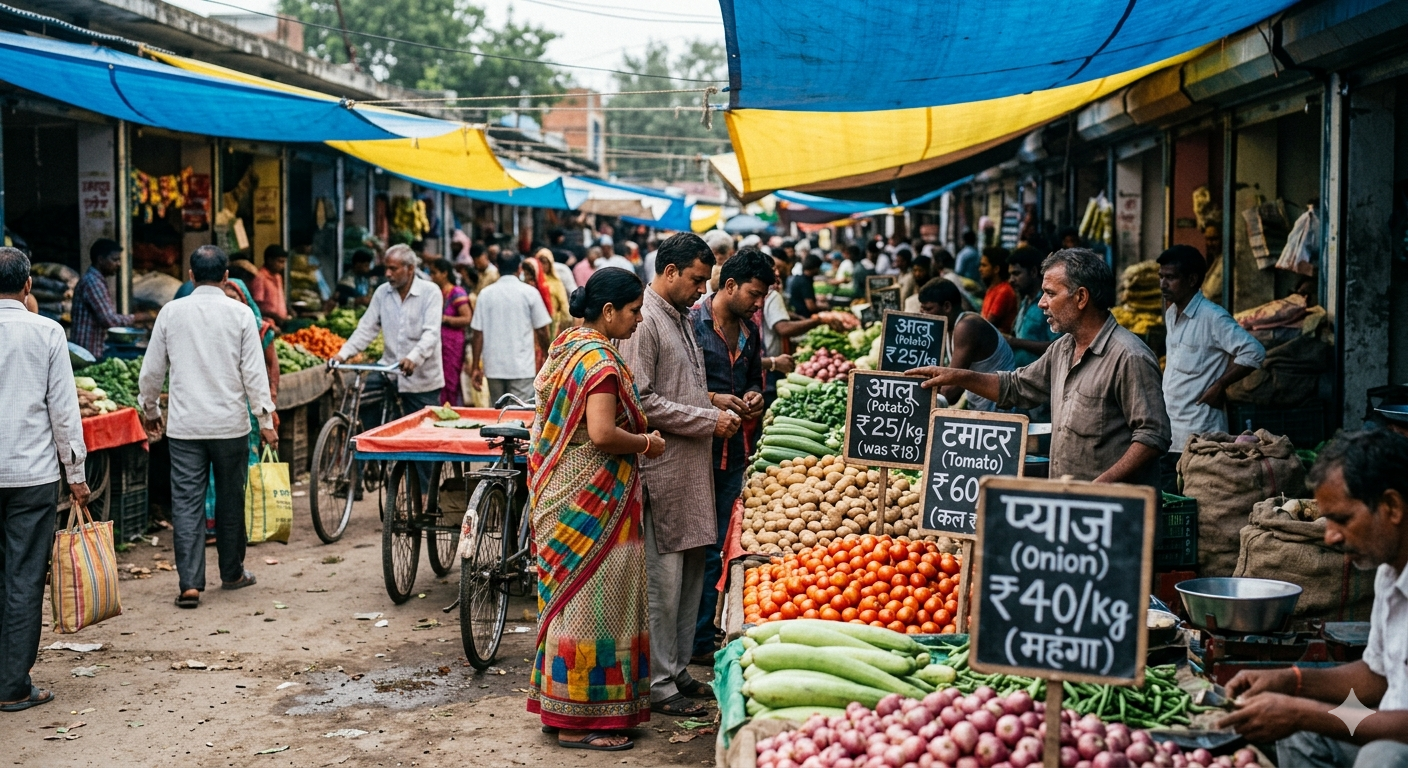
- Rising food prices (vegetables, edible oils)
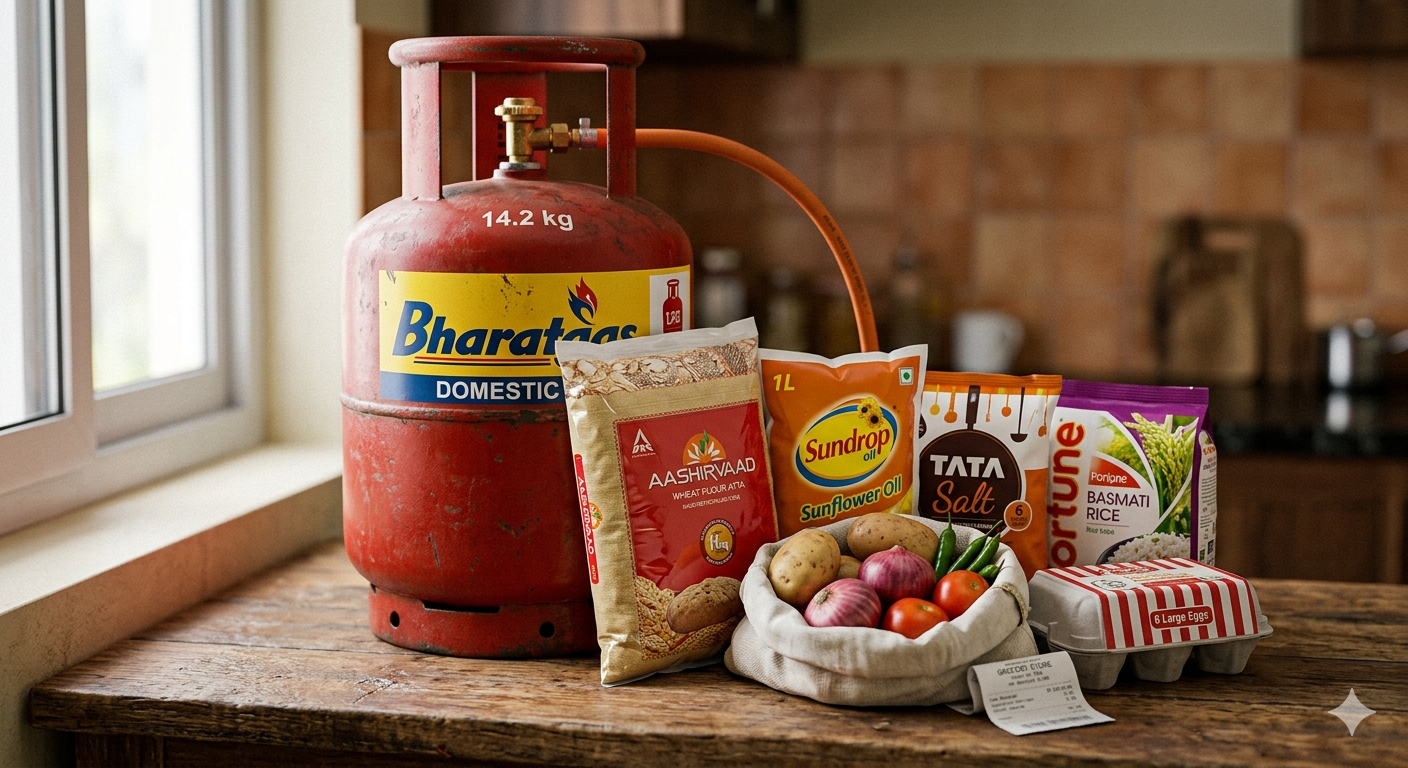
- Increase in LPG and input costs
- Global factors, especially energy markets
Wholesale inflation, too, has seen a sharper jump, touching nearly 3.88% in March, indicating pressure building at the production level.
Background and context — How inflation works in India
To understand the current phase of inflation in India, it’s important to look at the broader framework.
The Reserve Bank of India (RBI) follows an inflation-targeting regime, aiming to keep inflation at 4% with a tolerance band of ±2%. This means inflation between 2% and 6% is considered acceptable.
Over the past year:
- Inflation dropped sharply due to lower food prices
- Government measures and stable supply chains helped ease pressure
- RBI even revised its inflation outlook downward to around 3.7% for FY26
Now, the current uptick signals a return to more typical levels rather than a crisis.
Key players and stakeholders — Who is affected?
- Consumers: Face rising cost of living, especially in food and fuel
- Government: Balances inflation control with growth priorities
- RBI: Decides interest rates based on inflation trends
- Businesses: Deal with higher input costs
For the RBI, inflation is not just a number—it directly influences monetary policy decisions like repo rate changes.
Timeline of events — The inflation journey
- Mid-2025: Inflation falls to multi-year lows (around 2–3%)
- Late 2025: CPI dips below 1% due to falling food prices
- Early 2026: Inflation begins rising again
- March 2026: CPI reaches ~3.4%, signalling upward momentum
This pattern shows that the current phase of inflation in India is more of a recovery from unusually low levels than an abrupt spike.
Why this matters — Beyond the numbers
Even moderate inflation has real consequences:
- Household budgets tighten: Food inflation hits lower-income groups hardest
- Interest rates may stay high: RBI may avoid aggressive rate cuts
- Economic growth impact: Higher prices can reduce consumption
At the same time, very low inflation is also not ideal—it signals weak demand. So, the current range of inflation in Indiapresents a delicate balance: not too high to hurt consumers, not too low to stall growth.
What lies ahead — Risks on the horizon
The near-term outlook remains cautiously stable, but risks are building:
- Global oil prices could rise due to geopolitical tensions
- A weak monsoon could push food inflation higher
- Supply chain disruptions may add pressure
Economists expect inflation to remain within manageable levels for now, but any external shock could push it closer to the upper limit of RBI’s comfort band.
The real test will be how policymakers respond—whether they prioritise growth or tighten controls to manage inflation.
PM’s Address Sparks MCC Row: What the Rules Say and Why It Matters
Leave feedback about this