

NASA astronauts Sunita Williams and Butch Wilmore returned to Earth on Tuesday after an unexpected nine-month mission aboard the International Space Station (ISS). The duo, part of NASA’s Crew-9 mission, had initially planned for an eight-day stay but remained in space for over nine months due to technical issues with Boeing’s Starliner capsule.
The pair launched to the ISS in June 2024 but were unable to return as scheduled when the Starliner’s propulsion system malfunctioned during its maiden test flight. As a result, NASA had to revise its mission plans, and the faulty capsule was eventually sent back to Earth last September. Williams and Wilmore were later joined by astronauts Nick Hague and Aleksandr Grebyonkin, who arrived in December as part of a rescue mission coordinated by NASA and SpaceX.
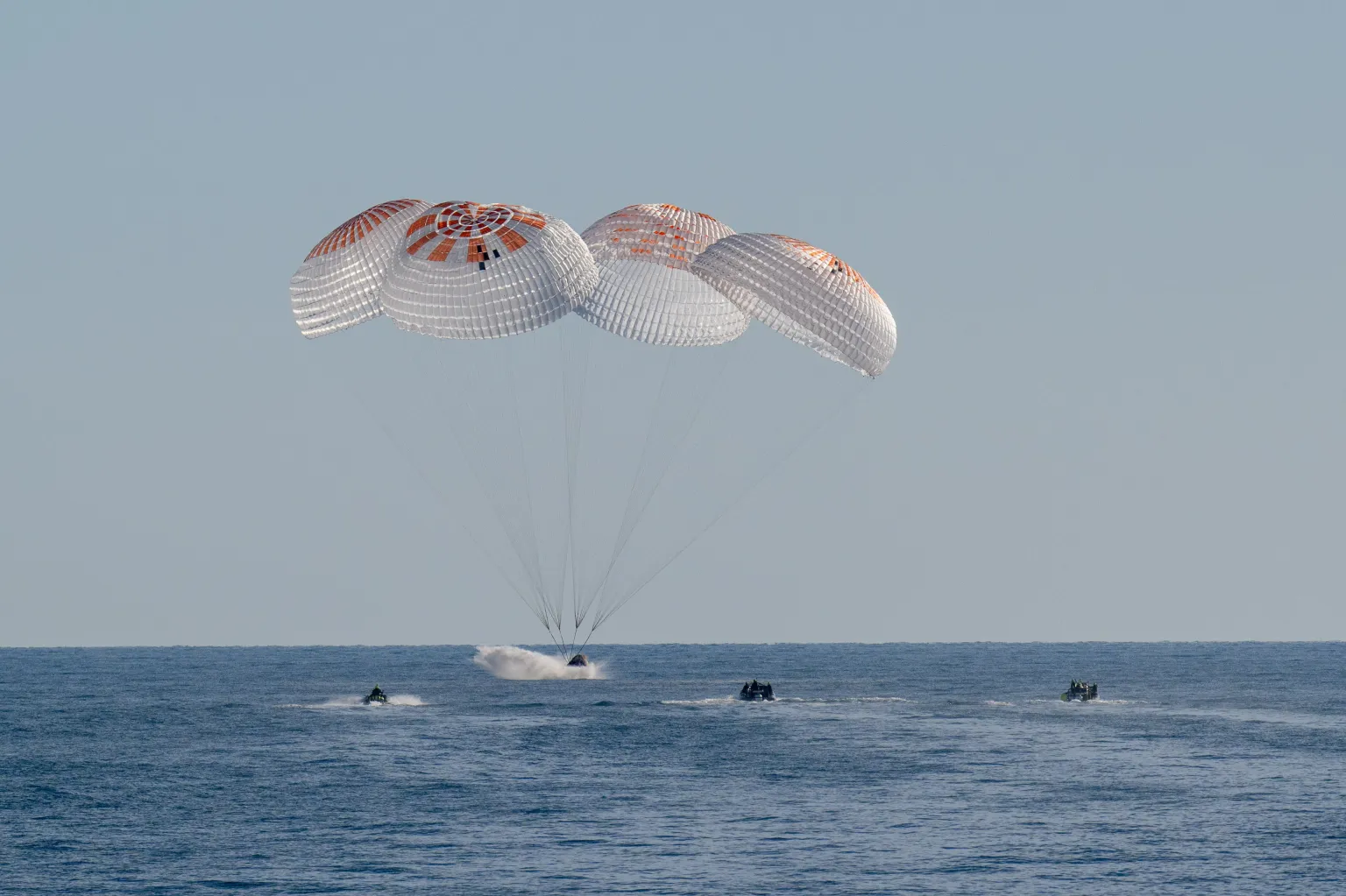
Credit: NASA/Keegan Barber
Following their return, the astronauts are undergoing medical assessments at NASA’s Johnson Space Center, where they will be monitored for physical adaptations to Earth’s gravity before resuming normal activities.
Also Read: From Space to Shore: Crew-9 Concludes Pioneering ISS Mission
Do Astronauts Receive Extra Pay for Extended Missions?
A key question surrounding Sunita Williams’ prolonged stay in space is whether she and her fellow astronauts will receive additional compensation for the extended duration of their mission.
Former astronaut Cady Coleman clarified in an interview with Washingtonian.com that NASA astronauts receive a fixed salary and are not entitled to overtime pay, even in cases where missions are unexpectedly prolonged. While the space agency covers transportation, lodging, and food expenses, astronauts receive only a modest daily allowance for incidentals rather than any additional salary for extended time in space.

Leave feedback about this