

The journey of an astronaut doesn’t end when their spacecraft touches down on Earth—it’s just the beginning of a new challenge. After months in the weightlessness of space, the human body undergoes dramatic changes, and returning to Earth’s gravity feels like learning to walk all over again. The process of astronaut rehabilitation after spaceflight is a carefully designed program aimed at restoring physical strength, balance, and overall health.
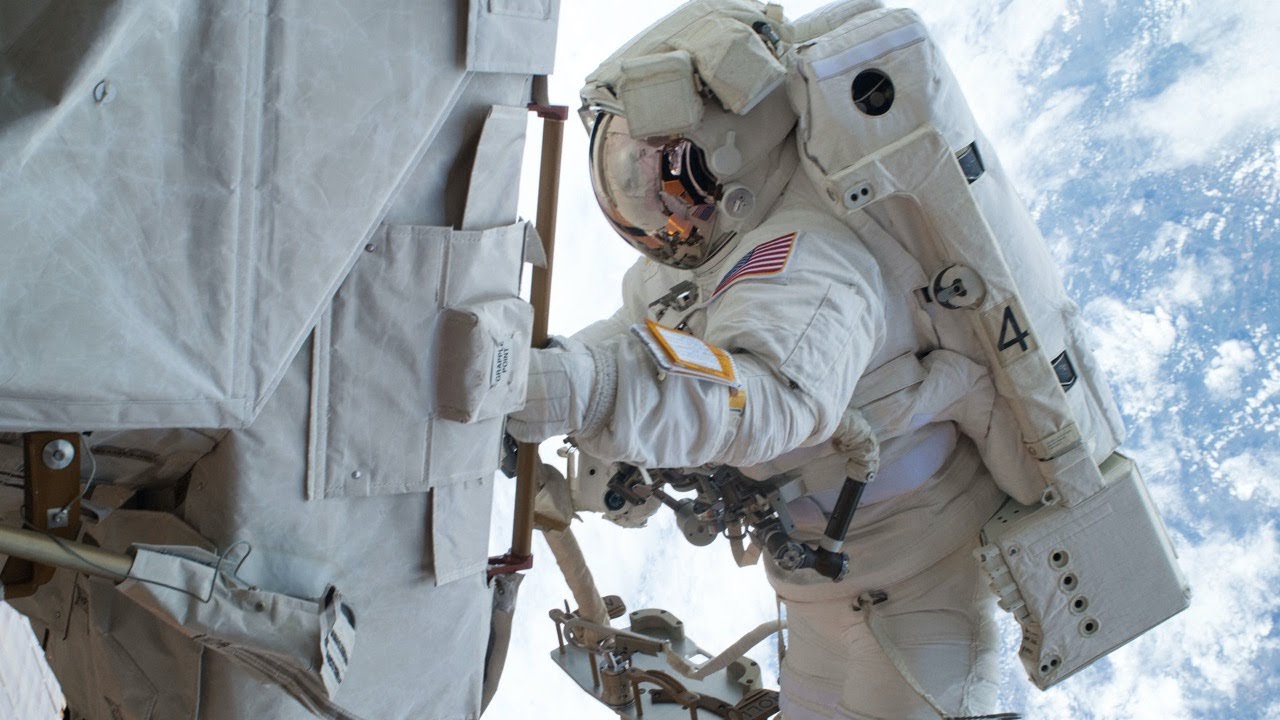
What Happens to the Human Body in Space?
In the microgravity of space, astronauts float effortlessly, but that convenience comes at a cost. Without the constant pull of gravity, the body starts adapting in unexpected ways:
-
Muscle Shrinkage & Bone Loss – Without gravity to provide resistance, astronauts lose muscle mass and bone density, making them weaker and more prone to fractures when they return.
-
Heart Size Reduction – The heart doesn’t have to work as hard to pump blood in space, leading to a slight shrinkage. This makes astronauts more prone to dizziness and fatigue once they’re back on Earth.
-
Balance & Coordination Issues – The body’s inner ear, which controls balance, gets disoriented in microgravity. That’s why many astronauts struggle with dizziness, vertigo, and even difficulty walking for days or weeks after their return.

How Do Astronauts Recover?
To counter these effects, space agencies like NASA and ESA have developed a structured astronaut rehabilitation after spaceflight program. The goal is to restore their strength, balance, and overall well-being as quickly and safely as possible.
-
Customized Workout Regimen – Astronauts undergo daily strength training, balance exercises, and cardiovascular workouts to rebuild their lost muscle and endurance.
-
Nutritional Recovery – Dietitians craft specialized meal plans with high-calcium, high-protein diets to help replenish lost nutrients.
-
Medical Supervision – Doctors closely monitor astronauts for weeks, tracking their recovery, assessing heart function, and ensuring no long-term health issues arise.
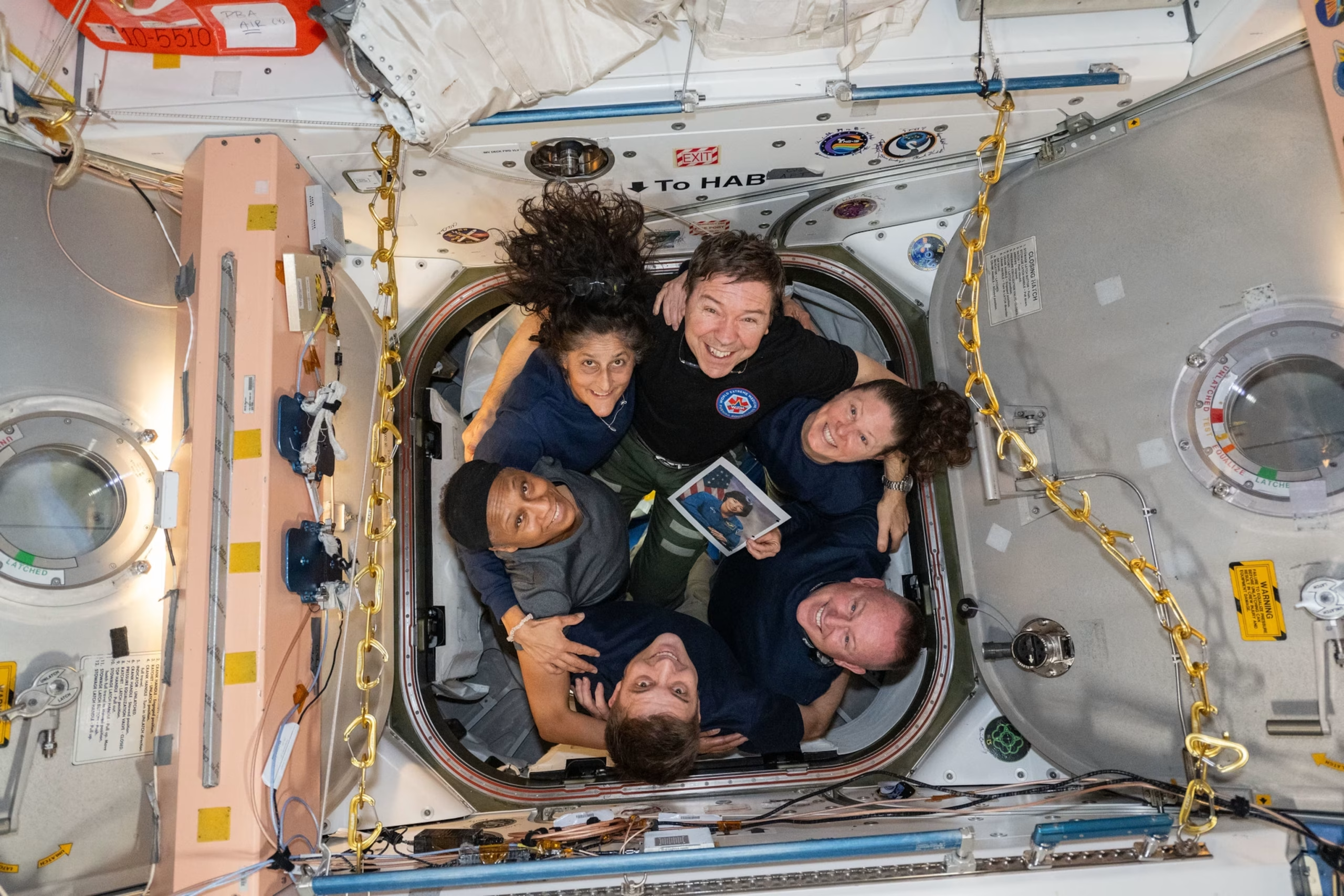 More Than Just Recovery – A Step Toward Future Space Missions
Astronaut rehabilitation after spaceflight isn’t just about helping individuals recover—it’s shaping the future of space exploration. Studying how the human body reacts to space conditions helps scientists develop strategies for longer missions, such as sending humans to Mars.
The insights gained from these programs are also revolutionizing medical treatments on Earth. Research on muscle atrophy and bone density loss aids in developing therapies for osteoporosis patients and bedridden individuals. Similarly, cardiovascular studies from astronauts help refine treatments for heart disease.
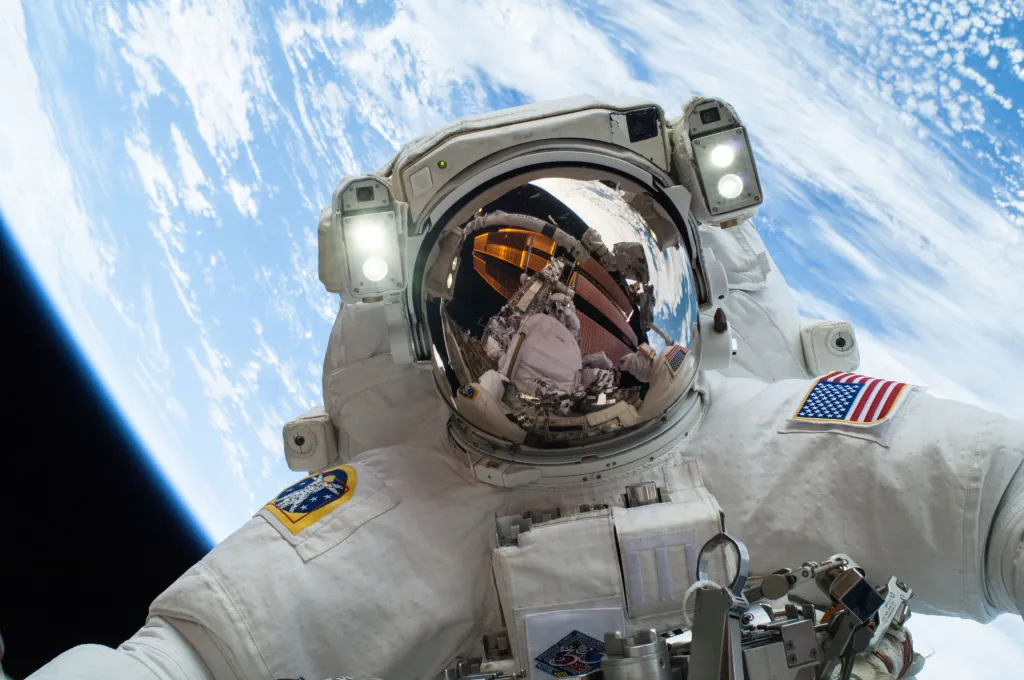
Rebuilding Strength for the Stars
Adjusting to life on Earth after months in space is no small feat. Astronaut rehabilitation after spaceflight is an essential process that ensures space travelers can return safely and prepare for future missions. As humans set their sights on long-duration spaceflights, from Moon bases to Mars colonies, understanding how to maintain and restore the human body will be more crucial than ever.
NASA Astronauts’ Salaries Revealed: How Sunita Williams Is Paid for Space Missions
Leave feedback about this