
In a major diplomatic breakthrough, India and Pakistan have agreed to a “full and immediate” ceasefire following a series of high-stakes negotiations mediated by the United States. This agreement, announced on Saturday evening, comes after intense military confrontations between the two nations, which had escalated over several days. Both governments confirmed the ceasefire, bringing an end to the violence that had plagued the region.
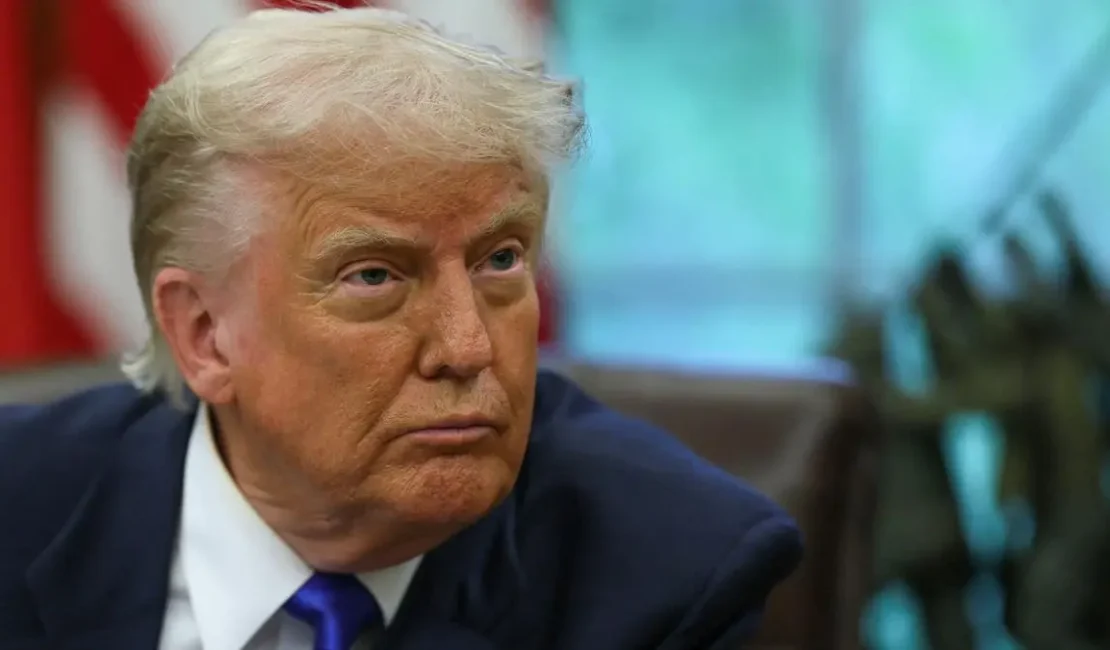
At 5.25 pm (IST) on Saturday, US President Donald Trump made the surprise announcement on social media, confirming the India-Pakistan ceasefire agreement. “After a long night of talks, I am pleased to announce that India and Pakistan have agreed to a full and immediate ceasefire,” Trump wrote on Truth Social. “Congratulations to both countries for using common sense and great intelligence,” he added, expressing gratitude for the successful negotiations.
The ceasefire, effective from 5 pm (IST) on Saturday, was confirmed by both nations shortly after the announcement. India’s Ministry of External Affairs issued a statement, outlining the key details of the agreement. According to Vikram Misri, India’s Foreign Secretary, the ceasefire came into effect after a phone call between the Director General of Military Operations (DGMO) of Pakistan and his Indian counterpart at 3.35 pm IST. This phone call paved the way for halting all military actions on land, air, and sea. The statement further mentioned that both sides had been instructed to implement the terms of the ceasefire immediately.
Pakistan’s Foreign Minister, Ishaq Dar, also confirmed the ceasefire in a tweet, emphasizing Pakistan’s long-standing commitment to regional peace and security. He highlighted that the country had suffered from continuous attacks, including drone and missile strikes on military installations and civilian areas. Despite these attacks, Dar reiterated Pakistan’s desire for peace with its neighbor.
US Secretary of State Marco Rubio played a pivotal role in mediating the talks. He expressed appreciation for the diplomatic efforts, congratulating Prime Ministers Modi and Sharif for their “wisdom and prudence.” Rubio also revealed that the two countries would initiate talks on a broader set of issues, setting the stage for further dialogue at a neutral location.
Over the past 48 hours, @VP Vance and I have engaged with senior Indian and Pakistani officials, including Prime Ministers Narendra Modi and Shehbaz Sharif, External Affairs Minister Subrahmanyam Jaishankar, Chief of Army Staff Asim Munir, and National Security Advisors Ajit…
— Secretary Marco Rubio (@SecRubio) May 10, 2025
Although the immediate military tensions have been quelled, India’s Foreign Minister S. Jaishankar reaffirmed the nation’s unwavering stance against terrorism. “India remains committed to combating terrorism in all its forms, and our position will not change,” Jaishankar emphasized in his statement on social media.
India and Pakistan have today worked out an understanding on stoppage of firing and military action.
India has consistently maintained a firm and uncompromising stance against terrorism in all its forms and manifestations. It will continue to do so.
— Dr. S. Jaishankar (@DrSJaishankar) May 10, 2025
The India-Pakistan ceasefire agreement signals a significant moment in the ongoing conflict, offering hope for future peace talks. Both nations have agreed to resume military discussions at noon on Monday, continuing the path towards de-escalation and potentially broader diplomatic engagement.
Jammu on Alert: India’s Air Defence Response to Pakistan Neutralizes Aerial Intrusion
National Security First: Pakistan-Origin Content Ban by I&B Ministry Targets Streaming Services
Air Raid Sirens, Red Flashes: Jammu on Edge After India’s Counter-Terror Strikes
Flashes, Sirens, and Panic: Videos Show Extent of Pakistan Drone and Missile Attack on Jammu
India’s Multi-Layered Defence Crushes Drone Offensive, Downs Pak F-16 in Precision Strike
Leave feedback about this