
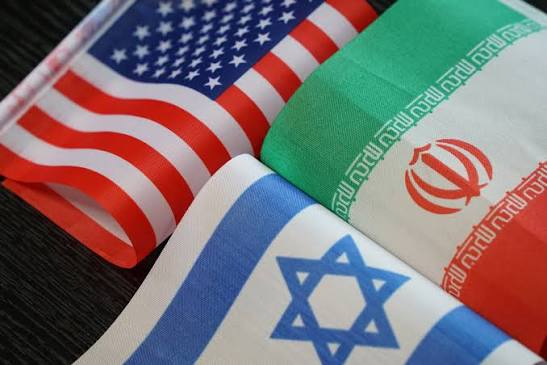
1. Today’s Breaking Development: A Geopolitical Shock
On March 1, 2026, joint military strikes by the United States and Israel reportedly killed Iran’s Supreme Leader Ayatollah Ali Khamenei, marking one of the most significant escalations in regional conflict in decades. Iran launched missiles and drones in retaliation against Israel and U.S. military bases across the Gulf.
This event thrusts the Middle East into a highly uncertain phase with profound implications — politically, economically, and socially — far beyond the region’s borders.

2. Political and Security Ramifications
The reported removal of Iran’s top leader introduces a leadership vacuum at a moment of high tension. This opens unpredictable dynamics around Iran’s internal political balance, regional alliances (including proxies in Iraq, Syria, and Yemen), and negotiations over nuclear and security issues.
The Middle East war impact extends to global diplomacy, with major powers like the U.S., EU and China recalibrating their strategies to avoid a broader conflict. There’s also increased risk of escalation if allied militant groups join the conflict, which could draw in neighboring states and complicate peace efforts.
3. Oil Markets: Prices, Supplies & Economic Shockwaves
One of the most immediate global effects of the Middle East war impact is on energy markets. The Strait of Hormuz — a chokepoint for roughly 20% of world oil shipments — now faces elevated risk of disruption, which historically leads to higher oil prices.
Experts say:
-
Brent crude prices have already jumped as traders price in risk.
-
If the conflict widens or the strait becomes unsafe, oil could rise toward $80 to $100+ per barrel.
-
Higher oil costs ripple into inflation, transport costs, and industrial inputs, hitting consumers and businesses worldwide.
For economies reliant on oil imports — including India — every rise in crude prices directly pressures fuel prices, inflation, and trade balances.
4. Global Economy & Interest Rate Outlook
The Middle East war impact also has macroeconomic implications:
-
Inflation: Higher energy prices can add to global inflation, forcing central banks to reconsider interest-rate paths.
-
Growth: Prolonged conflict risks slowing global GDP growth, especially if oil supply remains constrained.
-
Market Sentiment: Equities and high-risk assets may suffer as investors retreat to safe havens like gold and government bonds.
Even if direct supply disruptions are limited, the risk premium alone can tighten financial conditions and affect consumer confidence globally.
5. Climate, Supply Chains & Trade Costs
While the Middle East war impact is most visible in markets and geopolitics, climate and supply networks also feel the stress:
-
Oil-dependent sectors may see increased costs, slowing transitions to cleaner energy if fossil fuels regain price advantages.
-
Shipping and insurance costs for global trade can rise amid military threats around key sea lanes.
-
Agriculture and manufacturing supply chains could face delays and higher freight rates.
These pressures can indirectly slow investment in climate goals as governments divert resources to address economic and security shocks.
Important Notes & Caution on Information
At this stage, many reports remain fluid and unconfirmed by official sources, especially regarding leadership casualties and military movements. Reliable information from governments, international agencies, and established news organizations should be your source. Misinformation and disinformation can spread rapidly in conflict settings — always check with verified outlets and official statements before drawing conclusions.
We strive to bring you accurate, verified news grounded in authoritative sources. Stay tuned for continued updates as events unfold.
Leave feedback about this