
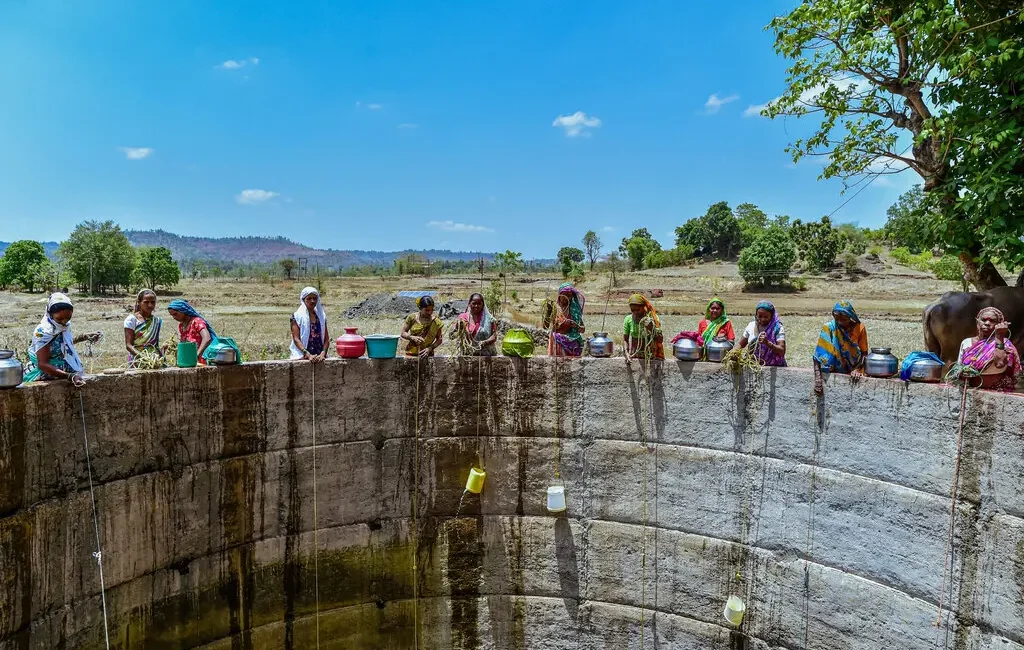
India is facing a severe groundwater crisis, with depletion and contamination threatening public health, agriculture, and urban water supply. The overuse of groundwater, coupled with climate change and industrial pollution, has created a critical situation that demands immediate action. Here’s an in-depth look at the key factors contributing to this crisis and recent incidents highlighting its severity.
Alarming Incidents of Groundwater Depletion in India
- Bengaluru’s Water Tanker Dependence
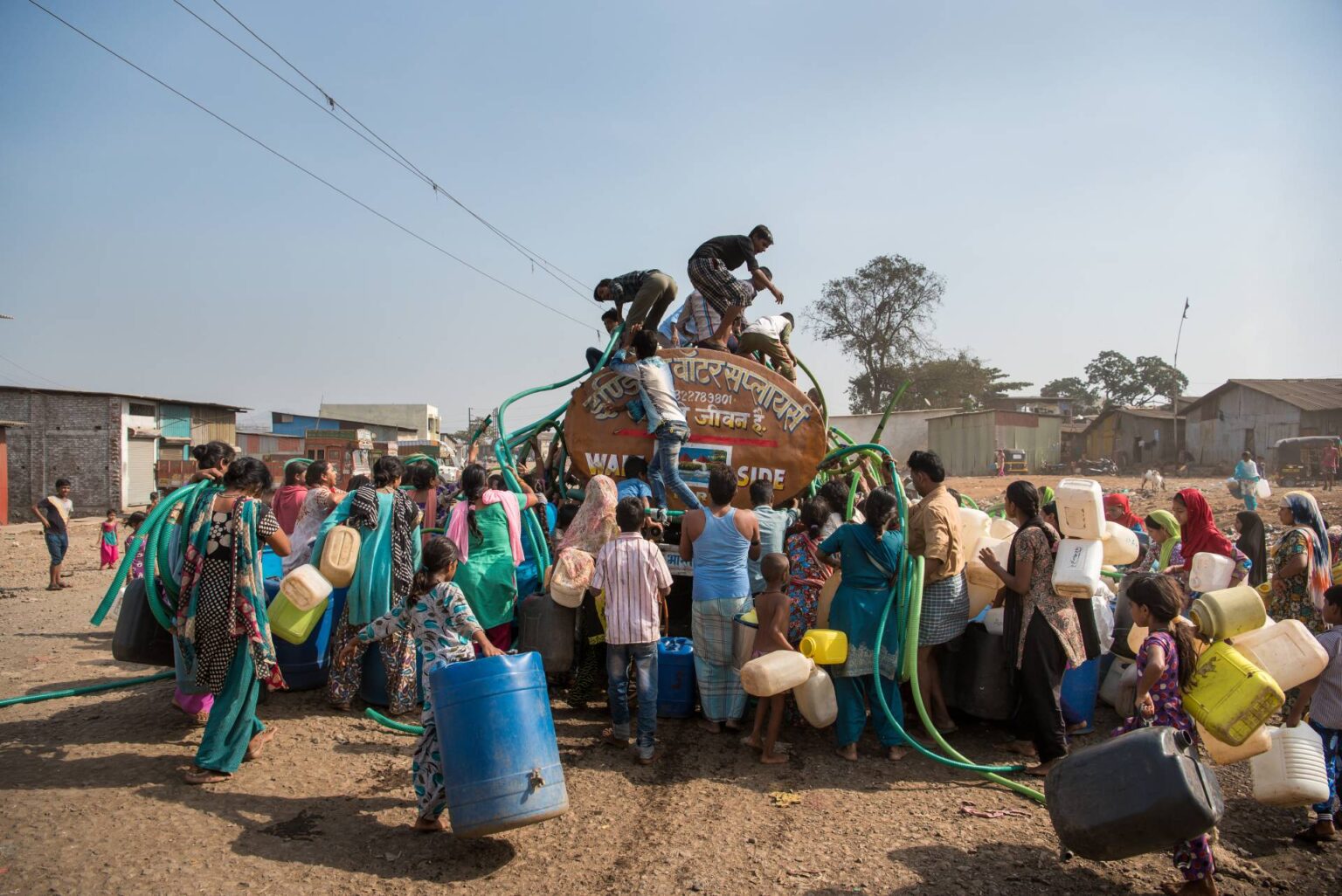
Bengaluru, India’s tech hub, has become heavily reliant on water tankers due to plummeting groundwater levels. Experts estimate that the city extracts more than 450 million liters of groundwater daily, but aquifers are running dry due to over-pumping and poor recharge. Residents in areas like Whitefield and Bellandur report receiving water only every few days, leading to exorbitant tanker costs. - Haryana’s Water Deficit Crisis
Haryana faces an annual water deficit of 14 billion cubic meters due to water-intensive farming practices. Groundwater extraction for crops like paddy and sugarcane has led to alarming depletion, with districts like Kurukshetra and Karnal classified as “over-exploited” zones by the Central Ground Water Board (CGWB). - Uranium in Karnataka’s Groundwater
In Karnataka, uranium levels exceeding the permissible limit have been detected in Ballari, Kalaburagi, Kolar, Mandya, and Raichur districts. Residents have reported increased cases of kidney and bone-related disorders, which experts attribute to groundwater contamination from mining activities. - Saline Intrusion in Gujarat
Coastal Gujarat faces severe saline water intrusion, impacting 28 out of 33 districts. Farmers in Kutch and Saurashtra are experiencing declining crop yields due to the salinity of irrigation water, with many abandoning agriculture altogether. 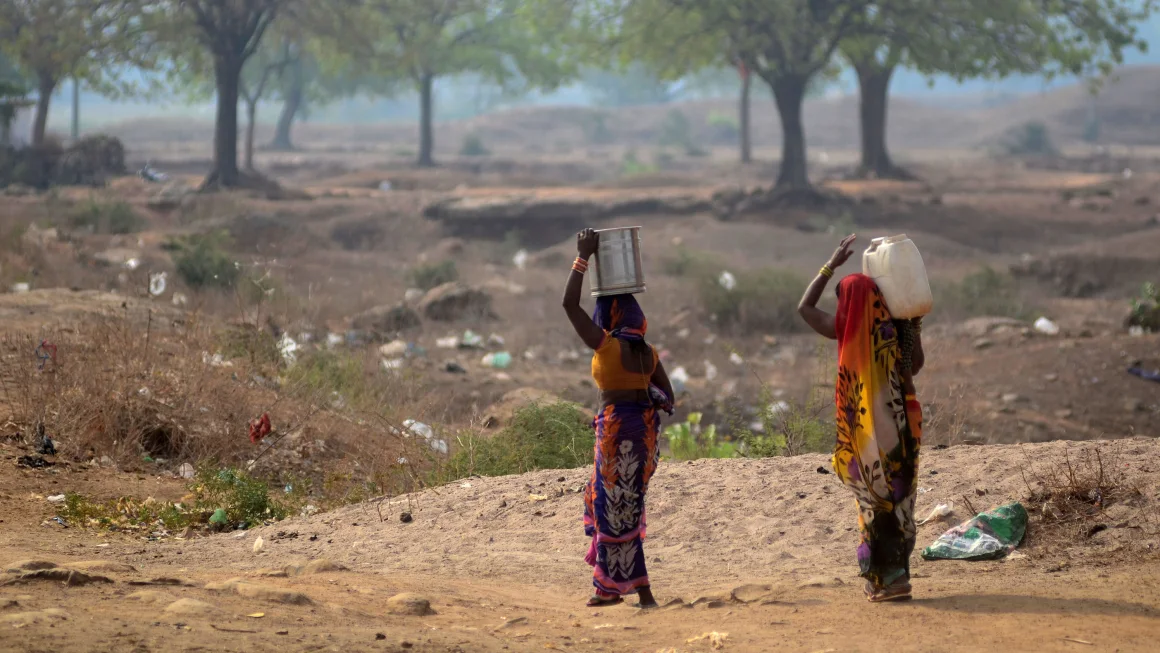 Indian women carrying drinking water from a municipal water tanker

Factors Contributing to the Groundwater Crisis
1. Water-Intensive Agriculture Practices
India’s preference for water-intensive crops like paddy and sugarcane has led to unsustainable groundwater extraction. In Punjab and Haryana, subsidized electricity encourages unregulated pumping, depleting aquifers at alarming rates. In 2023, groundwater extraction reached 241.34 billion cubic meters (bcm), with 90% used for irrigation.
2. Population Growth and Urbanization
Between 2016 and 2023, India’s population grew from 1.29 billion to 1.45 billion, increasing groundwater demand for drinking water, sanitation, and industry. Urbanization has further strained aquifers, with 45% of urban water consumption now dependent on groundwater. Cities like Chennai and Delhi report a severe mismatch between demand and groundwater availability.
3. Climate Change and Erratic Rainfall
Unpredictable monsoons have reduced groundwater recharge rates. The southwest monsoon, responsible for 60% of groundwater recharge, saw a 5.6% shortfall in 2023, affecting over 200 districts. Tamil Nadu, heavily reliant on monsoon water, has turned to deep aquifer exploitation, further depleting resources.
4. Industrial and Chemical Pollution
Unregulated industrial discharges are contaminating groundwater with hazardous chemicals. In Kanpur, chromium and mercury from tanneries have polluted local aquifers, causing widespread health issues. Similarly, in Delhi’s industrial belts, groundwater contamination by heavy metals has forced residents to rely on bottled water for basic needs.
5. Fertilizer and Pesticide Runoff
Increased use of fertilizers and pesticides has caused nitrate seepage into groundwater. 56% of Indian districts now report nitrate levels above the safe limit of 45 mg/L. Agricultural areas in Uttar Pradesh and Madhya Pradesh are particularly affected, with water sources deemed unfit for drinking.
6. Unsustainable Mining Activities
Mining in Jharkhand, Chhattisgarh, and Rajasthan has contaminated aquifers with uranium and fluoride. In Rajasthan, fluoride levels have reached 15 mg/L, well above the safe limit of 1.5 mg/L, leading to severe dental and skeletal fluorosis among locals.
HMPV Cases Decline in China, Rise in India: Essential Prevention Tips
The Way Forward
To address India’s groundwater crisis effectively, a multi-pronged strategy is essential. Promoting water-efficient agricultural practices, such as drip irrigation and crop diversification, can significantly reduce groundwater extraction. Rainwater harvesting and Managed Aquifer Recharge (MAR), coupled with solar desalination in saline regions, offer sustainable solutions for groundwater replenishment. Integrating advanced technologies like AI and IoT for aquifer mapping and real-time monitoring can enable data-driven decisions, while biochar-based filtration systems and phytoremediation can enhance groundwater quality. Urban water management through wastewater recycling, reforms in electricity subsidies to regulate groundwater use, and incentivizing private sector participation through CSR initiatives can further mitigate the crisis. Linking government programs like the Pradhan Mantri Krishi Sinchai Yojana, Atal Bhujal Yojana, and Jal Shakti Abhiyan with community-based efforts, such as SHGs and NGOs, will amplify outreach and foster long-term sustainability.
Final Thoughts
Groundwater depletion and contamination in India pose significant risks to agriculture, public health, and urban development. With cities like Bengaluru and states like Haryana already experiencing the severe consequences, the need for sustainable solutions has never been more critical. Addressing these challenges now can ensure water security for future generations.
Leave feedback about this