
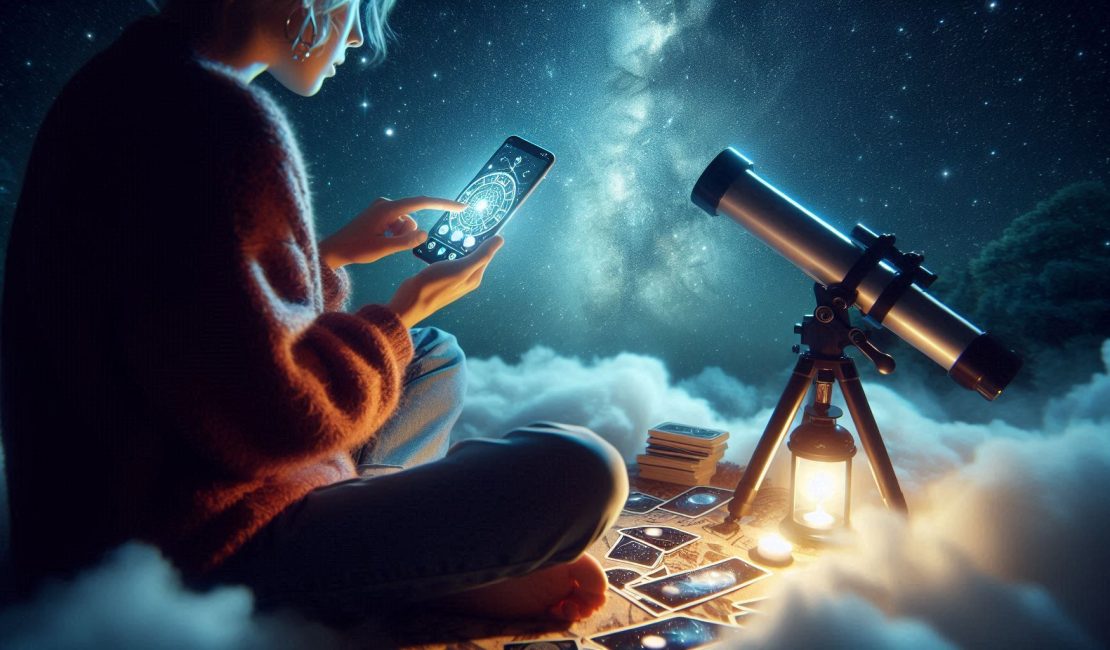
“Mercury is in retrograde” may sound mystical to some, but to millions of Gen Z minds, it’s not just a meme — it’s a mood.
In a world ruled by data, algorithms, and AI, you’d expect the youth to orbit strictly around logic. Instead, Gen Z is creating its own constellation — where science and spiritual symbolism share the sky. The debate of Astrology vs. Astronomy, once rigid and polarizing, is being reshaped by a generation unafraid to explore both personal meaning and scientific fact.
While astronomy peers through telescopes at galaxies far away, astrology peeks into birth charts and planetary alignments to explain inner worlds. And Gen Z? They’re tuning into both.
The Facts vs. The Feels
Let’s start with the textbook definitions.
Astronomy is a data-driven science. It studies celestial bodies — stars, planets, comets — through empirical evidence, measurements, and peer-reviewed methods. It’s how we get satellite launches and lunar landings.
Astrology, in contrast, is a system of belief rooted in the idea that the positions of celestial bodies influence human behavior and destiny. While it lacks scientific validation, it continues to thrive — especially online.
Yet, instead of choosing sides in the classic Astrology vs. Astronomy debate, Gen Z is saying: “Why not both?”

Why Gen Z is Looking to the Stars (Again)
According to recent digital trend studies, nearly 60% of Gen Z consults astrology at least once a month, often using apps like Co–Star, The Pattern, and Sanctuary. What’s driving this? A mix of uncertainty, identity exploration, and the need for personalized narratives in an impersonal, hyper-digital world.
Astrology offers something science doesn’t always provide — comfort. In a reality shaken by climate crises, economic instability, and digital overload, horoscopes become emotional GPS systems.
The Science Isn’t Fading — It’s Evolving
Despite this rise in spiritual curiosity, Gen Z hasn’t ditched the lab coat for the crystal. They still trust scientific research and space exploration. In fact, many see Astrology vs. Astronomy not as opposing forces, but as different lenses for looking at life — one outward, one inward.
For instance, space documentaries, NASA’s James Webb Telescope images, and planetary facts often trend on the same feeds as zodiac memes. It’s not uncommon to find a Gen Z user posting their natal chart breakdown one day and a NASA discovery the next.
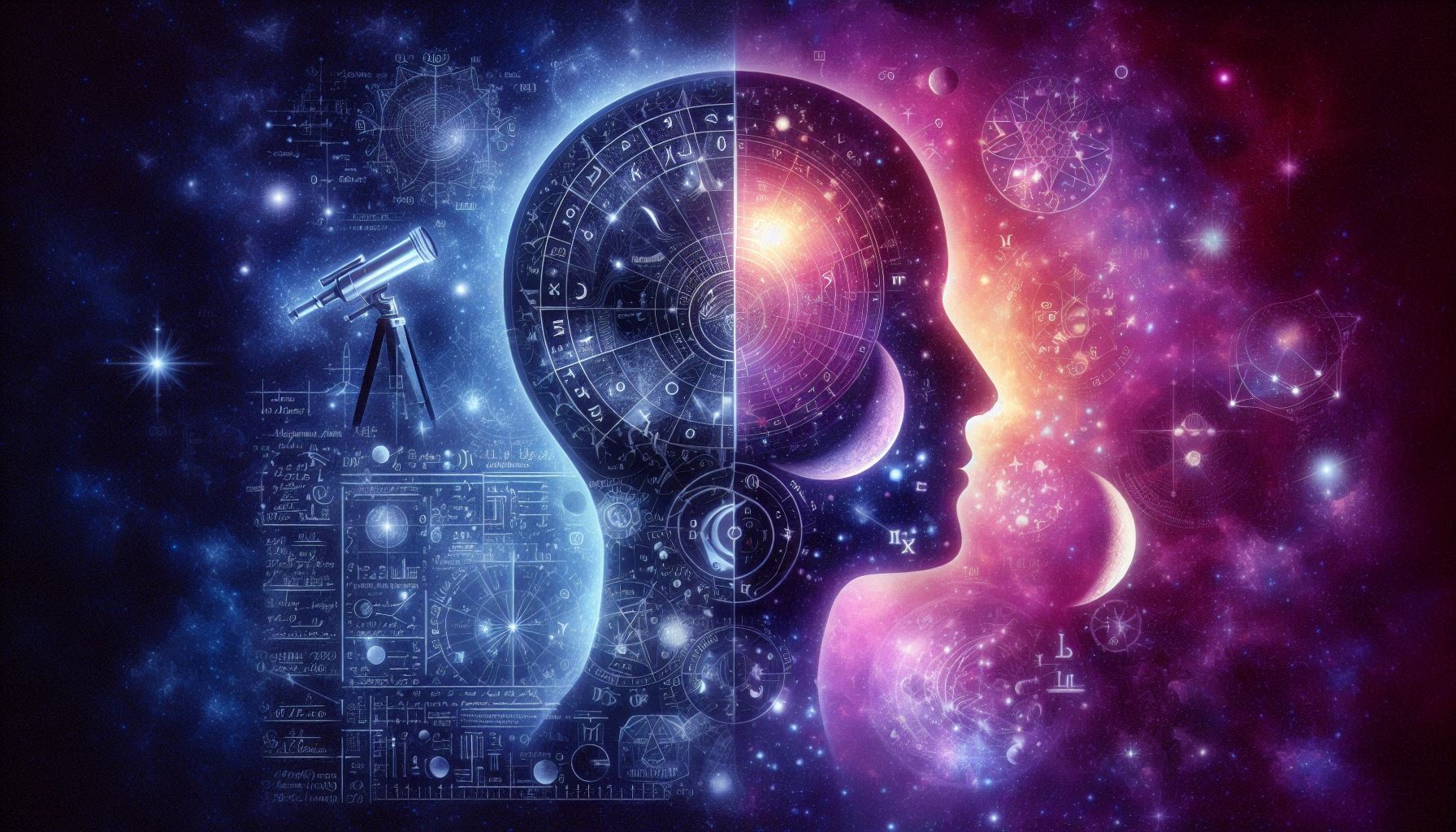
Left Brain, Right Brain… One Sky
This duality isn’t hypocrisy; it’s complexity. Gen Z doesn’t necessarily believe that Mercury’s motion determines their fate, but they do find symbolism and meaning in celestial patterns. It’s a way to process emotions, find belonging, and assert agency in a chaotic world.
In this new era, Astrology vs. Astronomy is less a battle and more a balance. The telescope and the tarot card — both hold value, depending on what you’re seeking.
The Hybrid Future: Astro-Science?
As technology advances, some thinkers are even suggesting a future where personalized algorithms combine astronomical data with psychological profiling — essentially creating new forms of AI-enhanced astrology. It’s speculative, yes, but it shows how the divide between belief and science is no longer clear-cut.
Gen Z’s curiosity is breaking boundaries. They want the universe explained — but also felt.

Final Thought
The age-old debate of Astrology vs. Astronomy has entered a new orbit. Today, science and spirituality are not enemies but co-stars in the digital age’s cosmic narrative. For Gen Z, the stars don’t just shine — they speak.
And whether it’s through a telescope or a birth chart, this generation is listening.
Leave feedback about this