
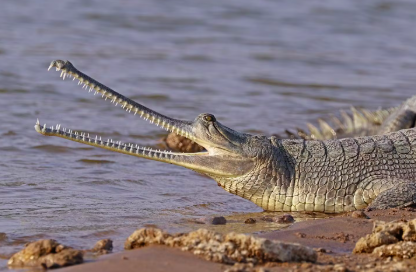
On February 17, 2025, CM Mohan Yadav released 10 gharials into the Chambal River, reinforcing the state’s conservation mission to protect the critically endangered gharial.
A Symbolic Step Toward Revival
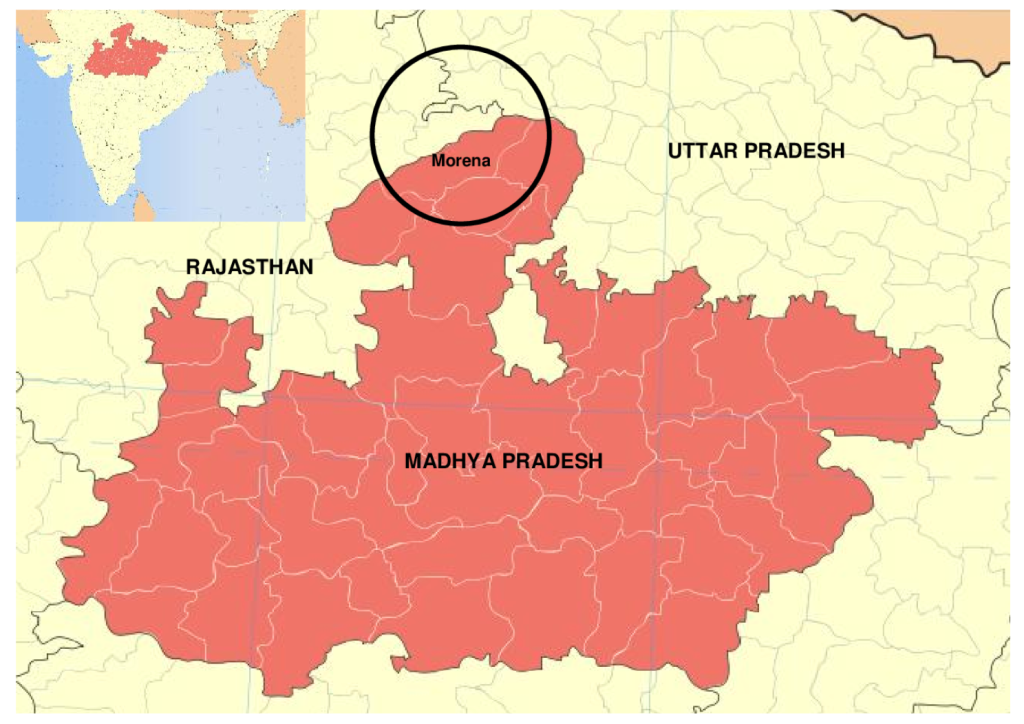
In a bold and symbolic move aimed at restoring India’s riverine biodiversity, Madhya Pradesh Chief Minister Mohan Yadav released nine male and one female gharial into the Chambal River at the National Chambal Gharial Sanctuary in Morena. This event marks a renewed commitment to the protection of the critically endangered gharial, a species that has seen a severe population decline due to habitat destruction and human interference.
Why the Gharial Needs Saving
Once abundant across the subcontinent, the gharial (Gavialis gangeticus) now survives in isolated pockets of India and Nepal. Its numbers fell dramatically in the 20th century due to river pollution, entanglement in fishing nets, illegal sand mining, and loss of nesting sites. Today, the species is listed as “Critically Endangered” on the IUCN Red List.
The Chambal River remains one of the last strongholds for the species, hosting over 80% of the remaining population. That makes Madhya Pradesh a crucial player in gharial conservation efforts.
A Breeding Success Story in Morena
The gharials released into the wild were bred and raised at the Deori Gharial Breeding Center in Morena. This facility has become a cornerstone in gharial recovery programs, having nurtured and released thousands of individuals since its inception.
Officials say that while the release may appear ceremonial, each event is backed by rigorous planning, biological assessment, and long-term monitoring. “We are not just releasing reptiles—we are reviving a river ecosystem,” a senior forest official stated.
Gharials and the Eco-Tourism Vision
Beyond conservation, the state government envisions positioning the Chambal region as a model for sustainable eco-tourism. With initiatives underway to enhance visitor facilities, interpretive trails, and local guide training, the sanctuary could soon become a hotspot for nature tourism. These efforts aim to generate community-based income while promoting awareness about endangered species.
The real voice behind these initiatives, according to conservationists, is the harmony between human livelihoods and ecological stewardship.
Conservation Gains and Remaining Challenges
A 2024 gharial census recorded 2,456 individuals in the Chambal Sanctuary—a hopeful sign. However, persistent threats remain. Illegal fishing continues to endanger gharials, while unchecked sand mining erodes their basking and nesting habitats.
Environmentalists have also expressed concern over proposed damming and river-linking projects that could fragment critical gharial habitats, reducing their breeding and feeding grounds.
A Holistic Plan for River Revival
Looking ahead, the Madhya Pradesh government is considering reintroducing endangered river dolphins into the Chambal, a move that would further reinforce its position as a freshwater biodiversity hotspot. Additional plans include identifying new wetland reserves and expanding anti-pollution drives along riverbanks.
Experts believe that such integrated strategies—combining species protection, eco-tourism, and community engagement—can secure the long-term survival of riverine species like the gharial.
The Gharial as a River Sentinel: In Chambal’s Flow, a Lifeline for India’s Critically Endangered Gharial
The release of 10 gharials into the Chambal River on February 17 may seem small in scale, but it carries enormous ecological weight. As the critically endangered gharial glides back into its natural habitat, it serves as a powerful symbol of hope for India’s embattled rivers and their intricate web of life.
For Madhya Pradesh, this isn’t just a conservation story—it’s a declaration of ecological responsibility. And for the nation, it’s a reminder that protecting the gharial means protecting the health, heritage, and future of our rivers.
From Defence to Digital: India, Sri Lanka Ink 10 Landmark Deals
Leave feedback about this