
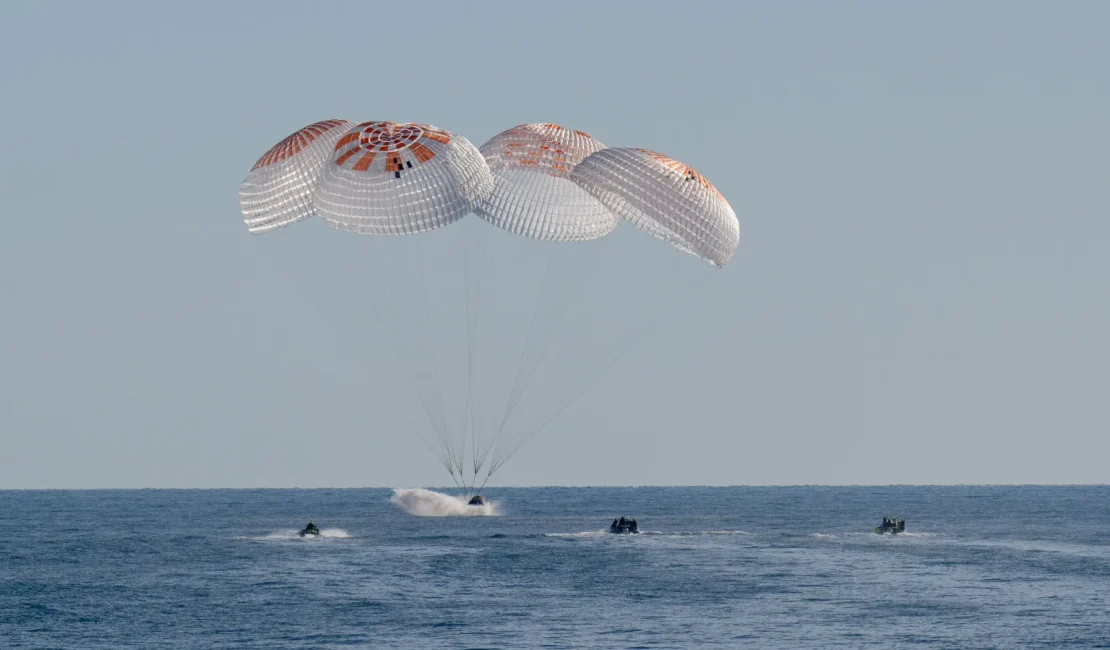
NASA’s SpaceX Crew-9 safely returned to Earth after completing a long-duration science mission aboard the International Space Station (ISS). The crew splashed down in the Gulf of Mexico, off the coast of Tallahassee, Florida, on Tuesday, marking the completion of the agency’s ninth commercial crew rotation mission.
NASA astronauts Nick Hague, Suni Williams, and Butch Wilmore, along with Roscosmos cosmonaut Aleksandr Gorbunov, landed at 5:57 p.m. EDT. Following their retrieval by SpaceX recovery teams, they will be flown to NASA’s Johnson Space Center in Houston, where they will reunite with their families.
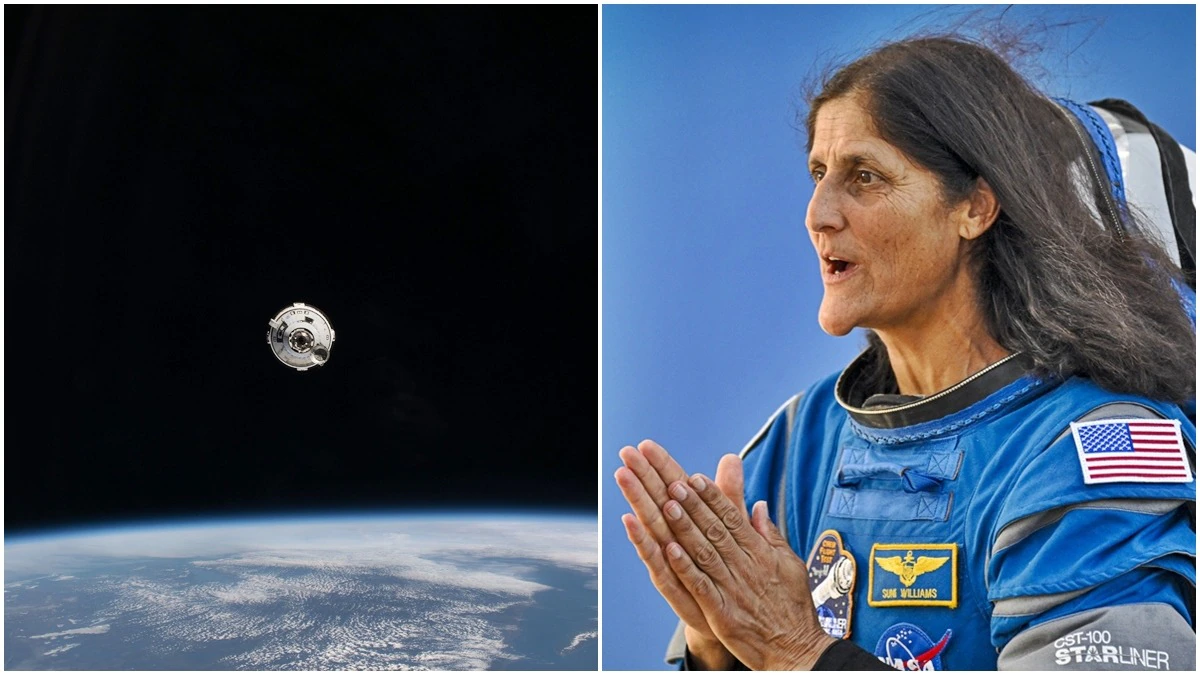
NASA Applauds Crew-9’s Achievements
“We are proud to welcome Suni, Butch, Nick, and Aleksandr back home after their months-long mission dedicated to critical scientific research and technology demonstrations aboard the ISS,” said NASA acting Administrator Janet Petro. “This international crew worked with precision and commitment to advance our understanding of space, contributing to innovations that will support future deep-space exploration.”
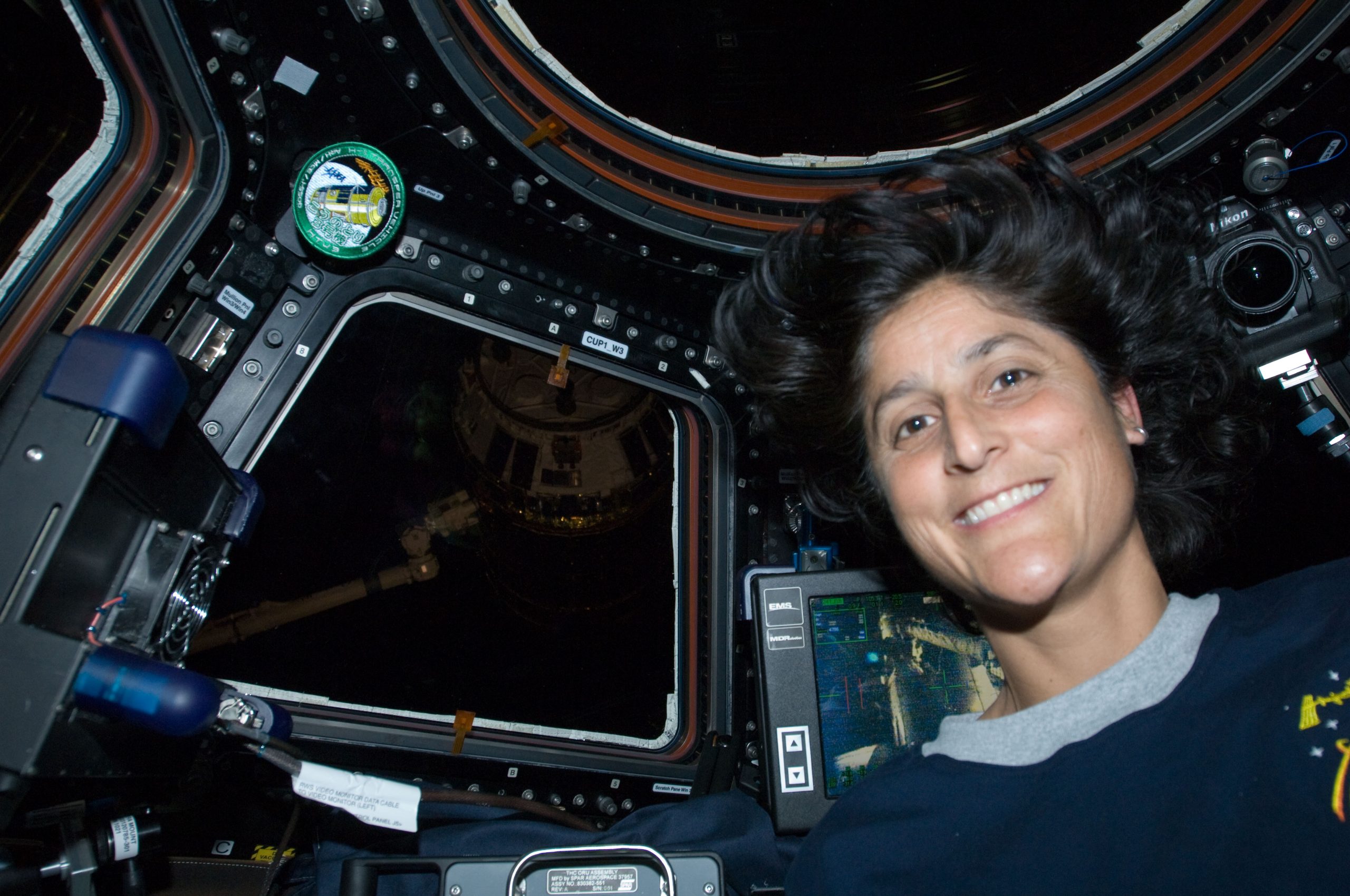
Mission Timeline and Key Milestones
Hague and Gorbunov launched aboard a SpaceX Falcon 9 rocket from Cape Canaveral Space Force Station on September 28, 2024, docking at the ISS the following day. Williams and Wilmore, who initially traveled aboard Boeing’s Starliner spacecraft on June 5, were integrated into Expedition 71/72 following NASA’s decision to return the uncrewed Starliner to Earth.
The Crew-9 spacecraft undocked at 1:05 a.m. on Tuesday, embarking on its journey back to Earth. Williams and Wilmore spent 286 days in orbit, traveling over 121 million miles and completing 4,576 orbits of Earth. Hague and Gorbunov, in their 171-day mission, covered more than 72 million miles with 2,736 orbits.
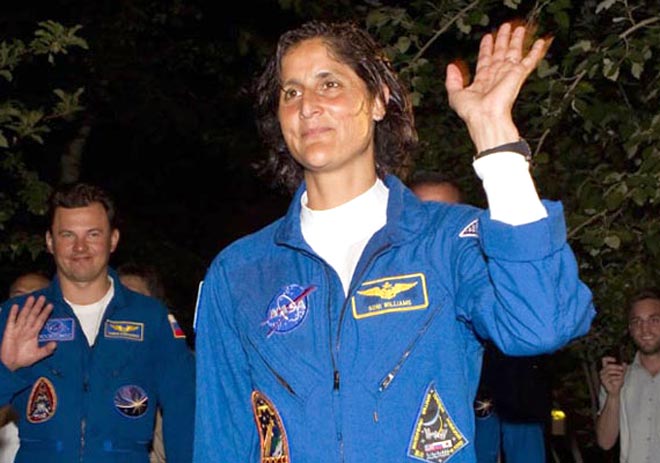
Scientific Contributions and Spacewalk Records
Throughout their mission, Crew-9 played a crucial role in ISS maintenance and research. Williams conducted two spacewalks, collaborating with Wilmore and Hague to remove outdated antenna components, analyze external station samples, and repair an X-ray telescope’s light filters. She now holds the record for the most spacewalking hours by a female astronaut, accumulating 62 hours and 6 minutes.
The crew also engaged in over 150 experiments, totaling more than 900 hours of research. Their work included plant growth studies, stem cell research for potential medical breakthroughs, and circadian rhythm investigations. Additionally, they prepared the first wooden satellite for deployment and examined microbial resilience in space environments.
Dragon Spacecraft’s Fourth Journey and Future Missions
The Crew-9 mission utilized the Dragon spacecraft Freedom, which previously supported Crew-4, Axiom Mission 2, and Axiom Mission 3. The spacecraft will now undergo post-flight inspections and refurbishments at SpaceX’s facility in Cape Canaveral, preparing for future missions.
With Crew-9’s return, NASA’s SpaceX Crew-10 has already commenced its mission, having docked at the ISS on March 16 for another extended science expedition. The Commercial Crew Program remains instrumental in ensuring safe and cost-effective astronaut transport, laying the groundwork for NASA’s future Moon and Mars explorations.
Read More: Welcome Home! NASA’s SpaceX Crew-9 Back on Earth After Science Mission
No Challan for Grok? Delhi Police’s Witty Banter With AI Sparks Online Frenzy
Leave feedback about this