
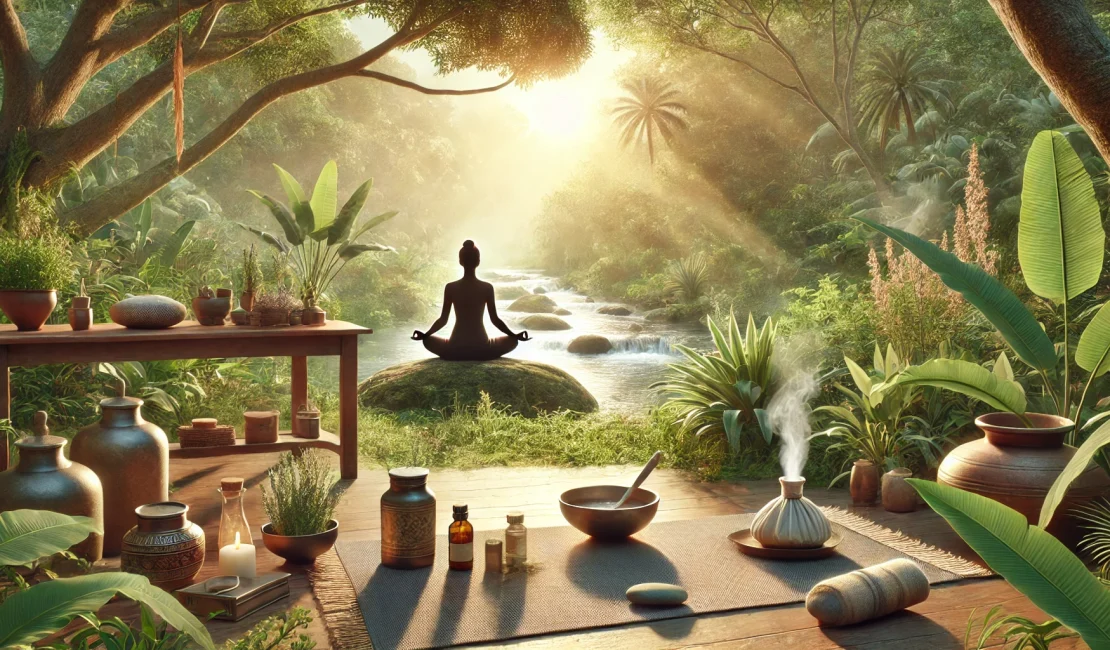
Can yoga really cure anxiety? Is Ayurveda the OG wellness trend? For centuries, ancient wisdom for modern wellness has been the cornerstone of physical and mental health practices. Today, science-backed integration is giving these practices a modern twist, proving that age-old techniques like yoga, meditation, and Ayurveda are not only relevant but also transformative.
Real Stories of Ancient Wisdom for Modern Wellness

Many individuals share life-changing experiences rooted in ancient wisdom for modern wellness. Priya, a 32-year-old entrepreneur, struggled with chronic anxiety until she began practicing pranayama and meditation. Within months, her stress levels dropped, and she regained focus in her personal and professional life.
Similarly, Ravi, who faced digestive issues and fatigue, turned to Ayurveda. After following Ayurvedic dietary recommendations and herbal remedies, his gut health improved significantly, leaving him energized and mentally sharper. These stories highlight how ancient wisdom for modern wellness bridges traditional practices and contemporary needs.
Science Meets Spirituality

Modern research supports what ancient teachings have long emphasized. Mindfulness practices, like those rooted in ancient traditions, form the foundation of therapies used today for treating anxiety and depression. Studies confirm that pranayama breathing techniques lower blood pressure, reduce cortisol levels, and improve focus. Ayurveda, too, gains credibility as modern nutritionists echo its focus on gut health and balance. The intersection of these ancient practices and modern science highlights a holistic approach to well-being, one that nurtures the mind, body, and spirit. Mindfulness, an ancient practice that encourages awareness of the present moment, is now a cornerstone of mental health therapies worldwide. Research has consistently shown that mindfulness meditation can significantly reduce symptoms of anxiety, depression, and stress. By fostering greater awareness and acceptance of thoughts and emotions, individuals can cultivate a sense of calm and clarity. Studies even show that consistent mindfulness practice can rewire the brain, increasing gray matter in areas associated with emotional regulation and memory.
Blending Old and New for Holistic Health
Incorporating timeless practices for holistic wellness doesn’t mean abandoning modern tools. Instead, it’s about creating harmony. Blending ancient practices with modern techniques creates a powerful synergy for achieving holistic health. By integrating Ayurvedic herbs like turmeric and ginger, known for their anti-inflammatory and gut-healing properties, with modern probiotic-rich diets, you can enhance digestion and mental clarity. Additionally, pairing mindfulness practices, such as yoga and pranayama, with evidence-based therapies like Cognitive Behavioral Therapy (CBT) offers a balanced approach to managing mental health. This fusion enables individuals to address emotional patterns while cultivating physical wellness. Whether through a balanced Ayurvedic diet or a mindful exercise routine, combining old and new methodologies can lead to a more comprehensive, personalized approach to health and well-being.
A Lifestyle, Not Just a Trend

For Gen Z and millennials, blending ancient wisdom for modern wellness with modern psychology is more than a passing trend—it’s a lifestyle. From chanting mantras to practicing mindfulness, these age-old techniques have evolved into modern mental health hacks.
The experiences of individuals who have embraced these practices continue to inspire this movement. Whether it’s reducing stress, improving focus, or achieving emotional balance, the fusion of tradition and science is paving the way for holistic wellness.
Read More:
Neem Karoli Baba’s Path to Peace—the Power of ‘Ram Ram’
The Spiritual Force Behind the Success of the Giants of Silicon Valley
From Skeptic to Believer: Journey of Baba Neem Karori’s Devotees
Leave feedback about this