
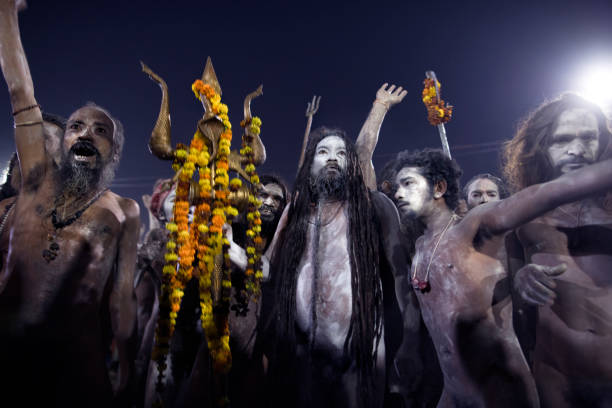
As dawn breaks over the sprawling banks of the holy Sangam, where the Ganga, Yamuna, and the mythical Saraswati converge, the air vibrates with the sound of conch shells, chanting, and drumbeats. The Kumbh Mela, the largest spiritual gathering on Earth, is in full swing, showcasing a mesmerizing mix of devotion, rituals, and mysticism. Among the myriad sights and sounds, one vision captures the imagination of every visitor: the enigmatic Naga Sadhus.
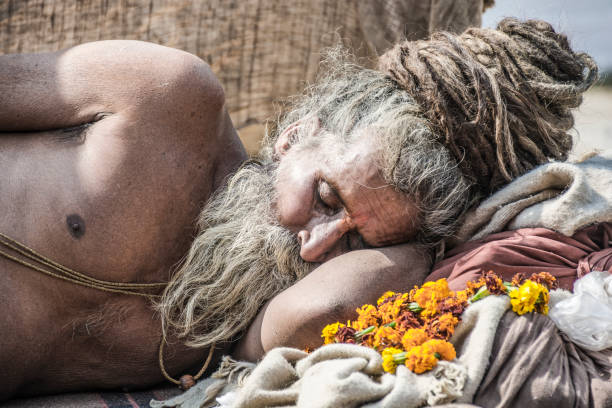
For the ordinary pilgrim, the sight of these ash-smeared ascetics, their unclothed bodies defying societal norms, is both awe-inspiring and mystifying. Who are these men? What secrets do they guard, and what compels them to renounce worldly life so completely? To understand the mystery of Naga Sadhus, one must delve deeper into their history, philosophy, and rituals.

A Glimpse of the Kumbh Mela
This year, the Kumbh Mela is a bustling confluence of faith and festivity. Makeshift camps stretch as far as the eye can see, adorned with colorful flags and intricate spiritual symbols. Devotees wade into the icy waters, believing that a dip here cleanses lifetimes of sins. The air is thick with incense and the scent of freshly cooked prasad, while loudspeakers broadcast soulful bhajans.

Among the crowd, the Naga Sadhus stand out—their wild locks and smeared ashes contrasting sharply with the colorful attire of the masses. A normal visitor sees them as living relics of a bygone age, their presence a stark reminder of India’s ancient spiritual traditions. Yet, to many, their way of life is shrouded in mystery, raising questions that echo through the temporary city built for the Mela.

The Origins of Naga Sadhus
The Naga Sadhus are part of the Akhara tradition, monastic orders that trace their origins back to Adi Shankaracharya in the 8th century. The Akharas were initially formed as warrior ascetics to defend Hindu dharma during times of external invasions. Over the centuries, the Naga Sadhus have become symbols of spiritual renunciation and discipline.

Their initiation is not for the faint-hearted. Aspirants must sever all ties with the material world, undergoing rigorous training that includes intense meditation, physical endurance, and self-control. The final initiation—symbolized by complete nudity—represents their detachment from ego and worldly possessions.
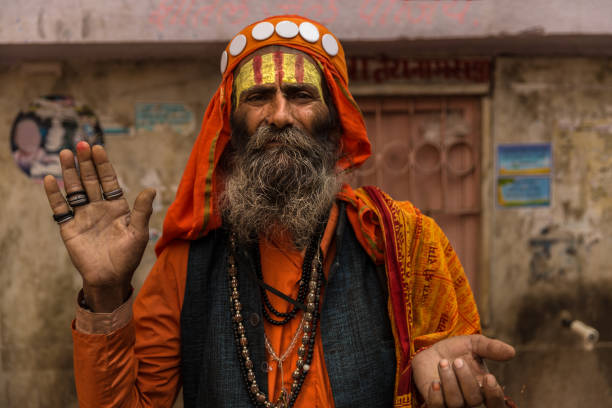
Rituals and Philosophy
The life of a Naga Sadhu revolves around ascetic practices and devotion. They wake before dawn, meditating and performing complex yogic postures. Ritual bathing in the sacred rivers, especially during the Kumbh Mela, is a cornerstone of their spiritual routine, symbolizing purification and renewal.
Their ash-covered bodies are not merely an eccentric tradition but a profound spiritual statement. The ash represents mortality and the inevitability of death, reminding them to live free of material attachments. Their dreadlocks are said to signify their connection to Lord Shiva, whom they revere as the ultimate ascetic.

The Common Man’s Perspective
To the average person attending the Kumbh Mela, the Naga Sadhus appear as otherworldly beings, almost mythical in their aura. Their processions, marked by loud chants of “Har Har Mahadev” and dramatic displays of martial arts, leave onlookers spellbound. For some, they inspire reverence and spiritual introspection; for others, they spark curiosity and even disbelief.
“Seeing the Naga Sadhus feels like stepping into another realm,” says Ramesh, a devotee from Uttar Pradesh. “They embody a commitment to faith that is beyond ordinary comprehension.”

A Living Mystery
The Naga Sadhus remain an enigma, balancing a life steeped in ancient tradition with their role as spiritual guides. At the Kumbh Mela, they serve as a bridge between the divine and the mundane, their presence a reminder of the infinite possibilities of human existence.
For those seeking to unravel the mystery of Naga Sadhus, the Kumbh Mela offers a fleeting but profound glimpse into their world—a world where renunciation meets resilience, and faith transcends all boundaries.
Leave feedback about this